Blog
How to Clean an Electric Iron at Home (Step-by-Step Guide)
Updated on Jan 2026
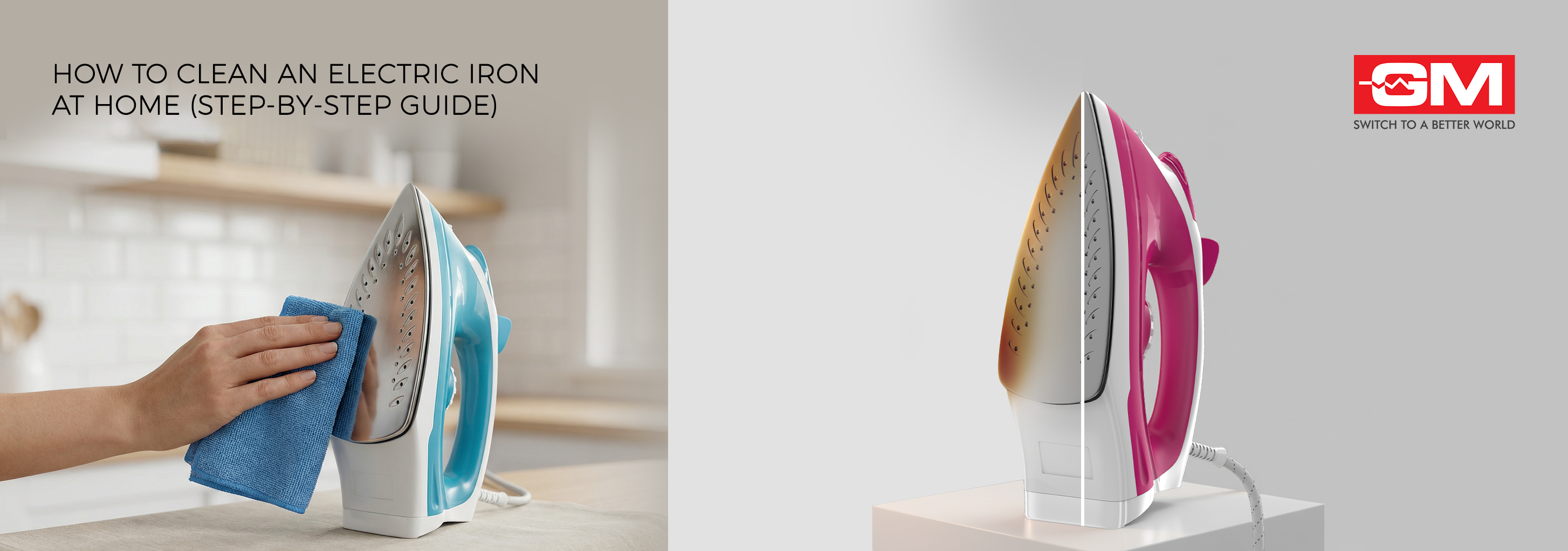
Your electric iron is one of the most frequently used home appliances, but it’s also one of the most easily overlooked when it comes to maintenance. Over time, the iron’s soleplate collects burnt fabric residue, starch marks, mineral deposits, and black scorch stains. These not only make ironing difficult but also put your clothes at risk.
A dirty iron plate doesn’t glide smoothly, creates uneven heating, and may even leave marks on delicate fabrics. Many people start noticing drag or patchy heat output and assume the appliance is failing, when in reality, it just needs a proper clean.
Understanding how to clean an electric iron plate is the key to keeping your clothes crisp and your appliance functioning at its best. And, if you’ve ever wondered how to clean an electric iron without damaging it, the good news is that most solutions are simple, safe, and can be done using everyday household items.
Easy and Effective Ways to Remove Stains From Your Iron
1. Start With a Cold Iron
Before you begin cleaning, always make sure the iron is fully unplugged and completely cool. Many people attempt cleaning while the iron is warm because they assume heat helps loosen residue, and while this may be true in some cases, it also increases the risk of accidental burns and further damage to the soleplate.
Place your iron on a flat, heat-resistant surface and inspect the soleplate. Look closely at the black stains, burnt fabric marks, and any brown or white patches. If you’ve been worried about how to remove a stain from an electric iron safely, assessing the surface helps you choose the right cleaning method. You should also check the steam vents for white mineral build-up, which is common if you use hard water.
Once the iron is cool, wipe off any loose dust using a dry microfiber cloth. This pre-cleaning step ensures that the deeper cleaning solutions work more effectively. It also prevents dust particles from scratching the iron base while cleaning.
2. Use Baking Soda Paste for Burnt Residue and Scorch Marks
If your iron has burnt fabric stuck to it or stubborn brown patches, baking soda is one of the safest and most effective remedies. It acts as a mild abrasive, helping remove grime without scratching the plate. This is one of the top methods recommended for how to clean the electric iron base and restore smoothness.
Mix two tablespoons of baking soda with a few drops of water to make a thick paste. Apply this gently across the stained areas of the soleplate. Make sure not to apply the paste to steam vents, as this may clog the holes.
Use a soft, damp cloth to rub the baking soda in circular motions. As the residue loosens, the soleplate will begin to regain its shine. Wipe off any remaining paste with a clean cloth. This method is especially effective for those wondering how to remove black stains from an electric iron caused by synthetic fabric melting onto the plate.
3. White Vinegar Treatment for Mineral Deposits
If your iron has steam vents and you’ve been using tap water, mineral scaling is almost inevitable. White vinegar is excellent for dissolving deposits and clearing steam holes. This method works well when you need a deeper clean beyond surface stains.
Start by dipping a clean cloth in warm white vinegar and gently wiping the entire soleplate. The vinegar softens hardened mineral layers, making them easier to remove. For stubborn scaling, you can soak a cotton swab in vinegar and use it to clean each steam vent carefully.
For steam irons with interior scaling, fill the tank with a 1:1 mixture of vinegar and water. Turn on the steam mode and let it release steam for a minute or two. This helps dissolve internal build-up. Once done, empty the tank, refill it with clean water, and steam again to flush out any remaining vinegar.
If you’ve been searching for how to clean an electric iron thoroughly inside and out, vinegar is a reliable solution. Just remember never to use strong acids or harsh chemicals that may damage the internal components.
Read our guide on how to use a steam iron safely and effectively.
4. Toothpaste Trick for Quick Shine
Toothpaste may seem unusual, but it’s surprisingly effective for light cleaning, removing minor scorch marks, and restoring shine to the iron’s base. This works particularly well for ceramic or non-stick soleplates.
Apply a small amount of white (non-gel) toothpaste to the cool iron plate and rub gently with a soft cloth in circular motions. Toothpaste acts as a gentle polishing agent and can remove light stains without scratching the surface. Once you're done, wipe the surface with a damp cloth to remove all residue.
For those looking for how to clean an electric iron plate without using strong ingredients, this method is safe and beginner-friendly. It won’t fix deep burns or thick buildup, but it’s excellent for monthly light maintenance. After wiping the toothpaste off, make sure the iron is completely cool before plugging it in again.
5. Salt and Newspaper Method for Melted Residue
One of the oldest and most practical tricks for removing melted synthetic fabrics is the salt-and-paper method. When fabrics burn on the soleplate, they leave black sticky patches that are tough to remove using normal scrubbing.
Begin by sprinkling coarse salt onto a sheet of newspaper or brown paper placed on an ironing board. Plug in the iron, set it to medium heat, and gently iron over the salted newspaper. The heat melts the residue, and the salt particles help lift it off without damaging the surface.
This is a highly effective solution for those wondering how to remove stains from an electric iron when the marks seem impossible to scrub off by hand. Once the melted residue has loosened, switch the iron off and let it cool. Wipe the plate with a damp microfiber cloth to restore smoothness.
6. Cleaning the Water Tank & Steam Vents
Many people clean the soleplate but forget the inside of the iron. If your steam output has reduced or you notice white particles coming out, it’s time to descale the tank.
Mix equal parts distilled vinegar and water and pour it into the iron’s tank. Turn the iron to its highest steam setting and let it release steam for a minute or two. This dissolves internal mineral deposits that restrict performance. After steaming, unplug the iron and let it cool slightly.
Empty the tank and refill it with fresh water. Turn on steam mode again to flush out leftover vinegar. This internal rinse is crucial if you want your iron to last long and perform like new. Proper maintenance of steam vents ensures even heat distribution and prevents clogging, especially if you iron frequently.
7. Polishing the Soleplate for a Smooth Glide
Once stains, residue, and deposits are removed, the final step is polishing. This helps restore the original smoothness of the iron plate so it glides effortlessly over fabrics. You can use mild steel polish, if the plate is stainless steel, or a dab of vinegar on a soft cloth.
Rub gently in circular motions, ensuring the plate becomes clean, smooth, and streak-free. Avoid aggressive polishing, especially on ceramic-coated or non-stick irons, as this may damage the surface. The key is to restore shine without removing protective layers.
If you’ve ever felt your iron dragging on clothes, a good polish works wonders. This is the finishing step in any guide on how to clean an electric iron base and ensures your appliance works efficiently for a longer period.
How GM Irons Are Designed to Minimise Build-Up
While regular cleaning is important for any appliance, choosing the right iron significantly reduces how often you need to deep-clean it. GM Modular irons are designed with high-quality soleplates that resist fabric burn marks, starch build-up, and residue sticking to the surface. The smooth, durable coating allows the iron to glide effortlessly over clothes, minimising friction that often causes scorch stains in the first place.
Ensuring utmost effectiveness, GM’s efficient heat distribution promotes consistent temperature control, reducing the chances of overheating delicate fabrics. The range of GM steam irons also features well-designed steam vents that resist mineral clogging when used with proper water, making maintenance easier over time.
This thoughtful engineering means fewer stains, less residue, and far less effort spent on frequent cleaning, letting you focus more on ironing and less on upkeep.
Upgrade to GM Irons for a Smart, Hassle-free Ironing Solution.
Cleaning an electric iron doesn’t have to feel like a frequent or frustrating task, especially when your appliance is designed with everyday usability in mind. With the right techniques and a little attention, you can restore your iron’s performance and prevent stains, burns, or mineral build-up from damaging your clothes.
Upgrade to GM Modular irons, and invest in performance while choosing a smarter, low-maintenance solution that keeps your clothes crisp and your ironing routine effortless, day after day.
Also Read: Steam Iron vs Dry Iron: Which One Should You Buy?
Frequently Asked Questions
1. How often should I clean my electric iron?
Clean your iron once every 1–2 months if you use it regularly. For heavy usage, monthly cleaning helps prevent residue build-up.
2. What is the safest method for cleaning the iron plate?
Baking soda paste and white vinegar are the safest and most effective solutions for cleaning the soleplate without scratching it.
3. How do I remove black stains from electric iron plates?
Use baking soda paste, salt-and-paper ironing, or vinegar wipes. These methods lift burnt residue and restore the plate’s smoothness.
4. Can I use water directly from the tap in my steam iron?
Avoid it if possible; hard water causes mineral deposits. Using distilled or filtered water helps reduce scaling and extends the life.
Related Blogs

Bladeless Fan Buying Guide: 10 Checks | GM Modular
Bladeless Fan Buying Guide: 10 Things to Check Before You Buy A bladeless fan looks like the obvious upgrade. No spinning blades, a slim tower, a quiet hum, and a price that hints it must be the better choice. But the word “bladeless” on
Read More
What Is a GaN Charger? A Simple Guide
What Is a GaN Charger? Everything You Need to Know You have probably used gallium nitride for years without knowing it. Before it reached the charger on your wall, this material lit up the first white LEDs, powered blue lasers, and read the discs in
Read More
GM Artic Air 1: 3-in-1 Bladeless Tower Fan
Why the GM Artic Air 1 Is the Ultimate 3-in-1 Appliance for Every Season Picture one slim tower in the corner of your living room. In May, it cools you through a brutal afternoon. In August, it clears the damp, stale air the monsoon leaves beh
Read More
Wireless Charging vs Wired Charging: Which Is Faster?
Wireless Charging vs Wired Charging: Which Is Faster? If your phone is at 10% and you have twenty minutes before heading out, which charger should you grab: the cable or the pad? Wireless charging is everywhere now, yet most of us still reach for a
Read More