Blog
Know the Difference Between a Fuse and an MCB for Home Safety
Updated on Aug 2025
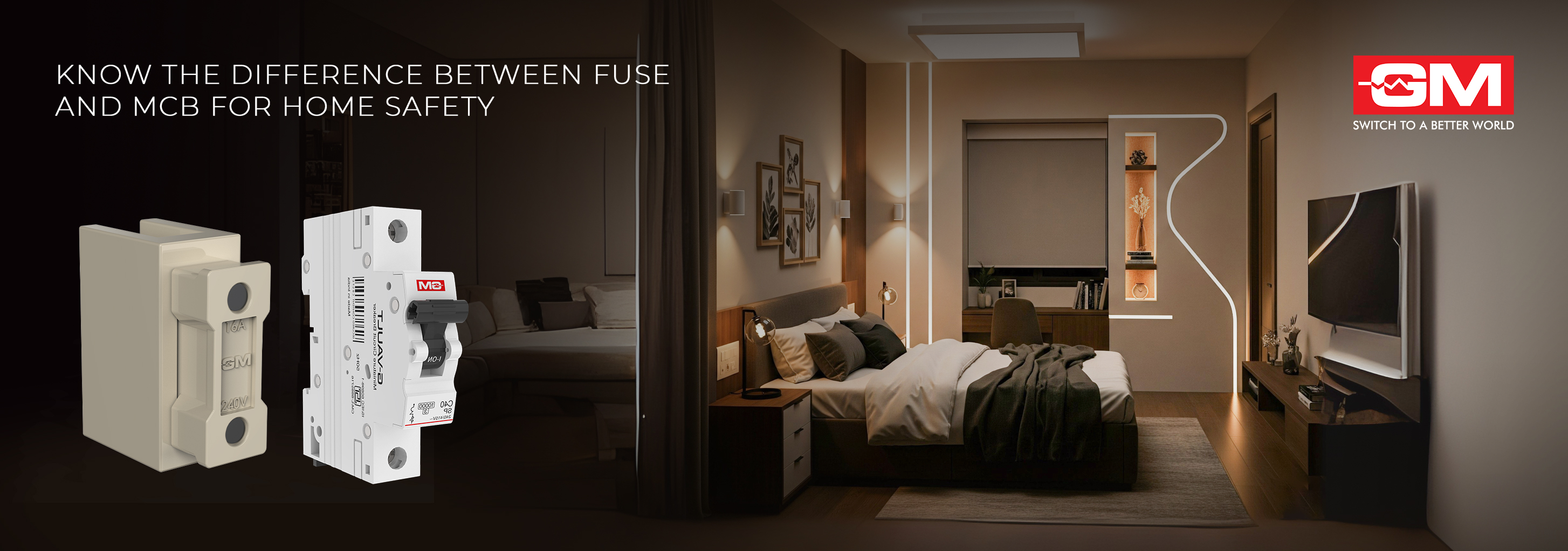
When it comes to protecting your home's electrical system, choosing between a fuse and a Miniature Circuit Breaker (MCB) is more important than it seems. Both prevent overcurrent, which can cause overheating or fire. Fuses melt to break the circuit and must be replaced after each fault, while MCBs trip automatically and can be reset. This makes them more convenient and reliable. Though fuses may cost less upfront, MCBs offer quicker response, easier maintenance, and better protection, making them the smarter choice for modern homes.
So, What Are Fuses?
A fuse is one of the oldest and simplest devices in home electrical safety, designed to break the circuit when the current exceeds safe levels. It contains a thin wire or metal strip that melts when overheated, a process known as ‘blowing’, which stops the electrical flow to prevent damage or fire. While this function is undeniably important, the downside is its one-time use. Once a fuse blows, it must be manually replaced, which often means fumbling in the dark to find the correct type. So, when asked what fuses are, it’s fair to call them tiny
disposable heroes that do their job once and then retire forever.
How is MCB the Smarter Circuit Protector?
Technology has come a long way, and the Miniature Circuit Breaker (MCB) is a perfect example. Unlike traditional fuses that melt and need replacing, MCBs use a switch that trips when current exceeds safe levels. You simply reset it with no tools, no wires, and no hassle. MCBs offer a smarter, faster, and more reliable way to protect your home from electrical faults.
Learn more about the importance of MCB in electrical safety for your family's protection.
Fuse vs MCB: A Real Comparison
Putting a fuse and an MCB side by side helps highlight the real-world differences that go beyond theory. A fuse is reactive. It works when needed, but it is not reusable, and figuring out what went wrong can be frustrating and time consuming. An MCB, on the other hand, is responsive, easier to handle, and gives you more control. When something goes wrong in the circuit, you can instantly identify the affected line and reset it within seconds. That level of quick feedback and recovery is especially valuable during emergencies or unexpected
power cuts in the middle of the night.
But Are Fuses Useless Now?
Fuses still have their place in small appliances, plug tops, or older installations, and some electrical devices come with built-in fuse protection. However, in the context of modern home safety, especially in main distribution boards, fuses have largely taken a back seat. While they are easy to install initially, they require manual intervention every time something goes wrong. In contrast, an MCB offers a more hands-off experience. Once installed, it requires little to no maintenance, as the system automatically trips and can be reset with minimal
effort, making it a more practical and reliable choice for today’s homes.
MCB: Built for Modern Electrical Loads
Today, homes are filled with a variety of gadgets beyond just lights and fans, including smart TVs, microwave ovens, air purifiers, washing machines, laptops, and water heaters. These devices don’t just consume power; they cause power spikes when they start or stop. Fuses often cannot distinguish between a brief surge and a real overcurrent issue, but MCBs can. They use specific current ratings and timing mechanisms to trip only when necessary, providing smarter and more precise protection without unnecessary interruptions.
Installation and Maintenance - Ensure Efficiency with MCBs
One more reason to switch to MCBs is the modularity they offer. They are designed to fit neatly into your distribution board, can be easily labeled, and replaced individually without disrupting the entire system. Fuses, on the other hand, often require rewiring and guesswork, especially when installed in bulk in older panels. If safety and simplicity are your top priorities, MCBs clearly come out ahead.
Thinking Long-Term? Choose MCBs
Yes, the initial cost of an MCB is higher than that of a fuse, but it pays for itself every time it prevents an appliance from burning out or saves you a call to the electrician. Think of it as an investment in peace of mind. Plus, newer models come with added features such as surge protection, fire-retardant casings, smart tripping indicators, and thermal overload detection, offering even greater safety and convenience for your home.
MCB Isn’t Just a Trend. It’s a Standard
Now that you understand the difference between a fuse and an MCB, the next step is simple: check what’s installed in your home. If you’re still relying on fuses, consider switching to MCBs before the next power surge causes trouble. It’s a small change that can make a big difference not just for your convenience but for your family’s safety as well.
You can also check out our blog on Types of Miniature Circuit Breakers (MCBs) & Their Uses.
Frequently Asked Questions:
Can I use a fuse and MCB in the same line?
A. While technically possible, it is unnecessary. MCBs are fully capable of protecting your circuit on their own. Adding a fuse may only complicate the setup without adding extra protection.
Do MCBs work for high-wattage appliances like geysers or ovens?
A. Yes, just make sure you are using the right current rating. Typically, 16A or 32A MCBs are suitable for such appliances.
Can an MCB wear out over time?
A. Yes, like any mechanical device, MCBs can degrade after many trips. However, a good-quality MCB will last 10 to 15 years with regular household use.
How do I know which MCB rating I need?
A. It depends on the appliance or circuit you are protecting. Lights and fans may only need 6A or 10A, while heavier equipment will need higher ratings. Always consult a licensed electrician before selecting.
Related Blogs
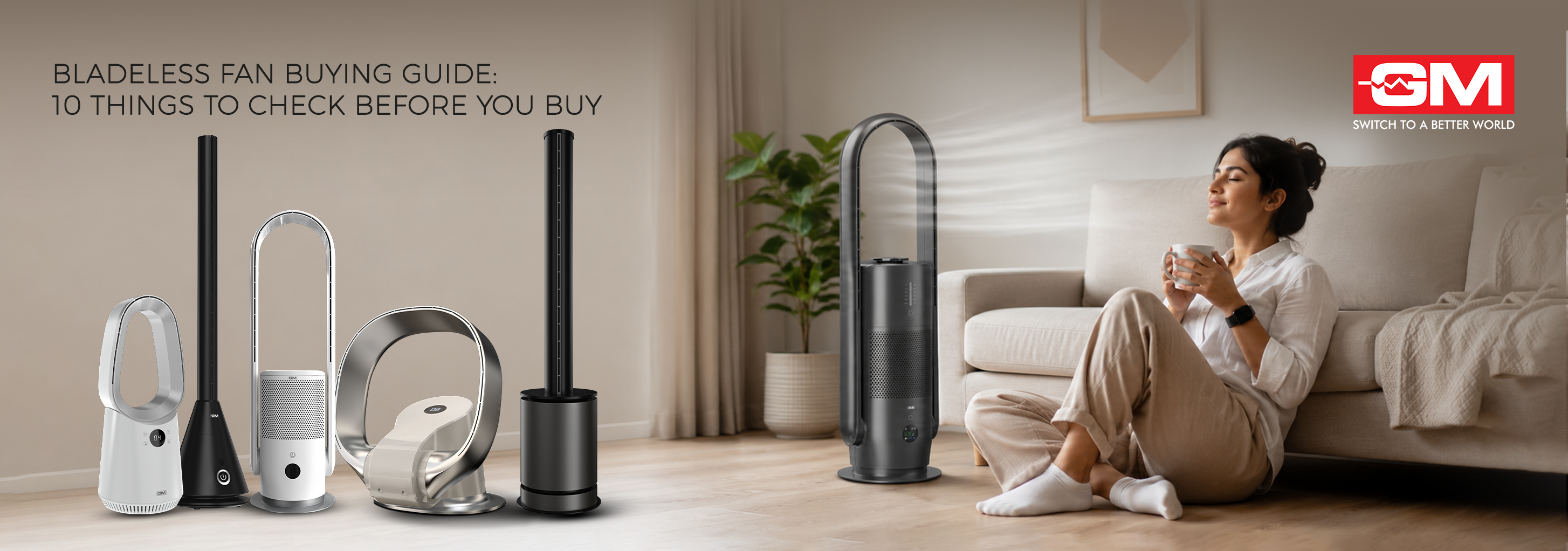
Bladeless Fan Buying Guide: 10 Checks | GM Modular
Bladeless Fan Buying Guide: 10 Things to Check Before You Buy A bladeless fan looks like the obvious upgrade. No spinning blades, a slim tower, a quiet hum, and a price that hints it must be the better choice. But the word “bladeless” on
Read More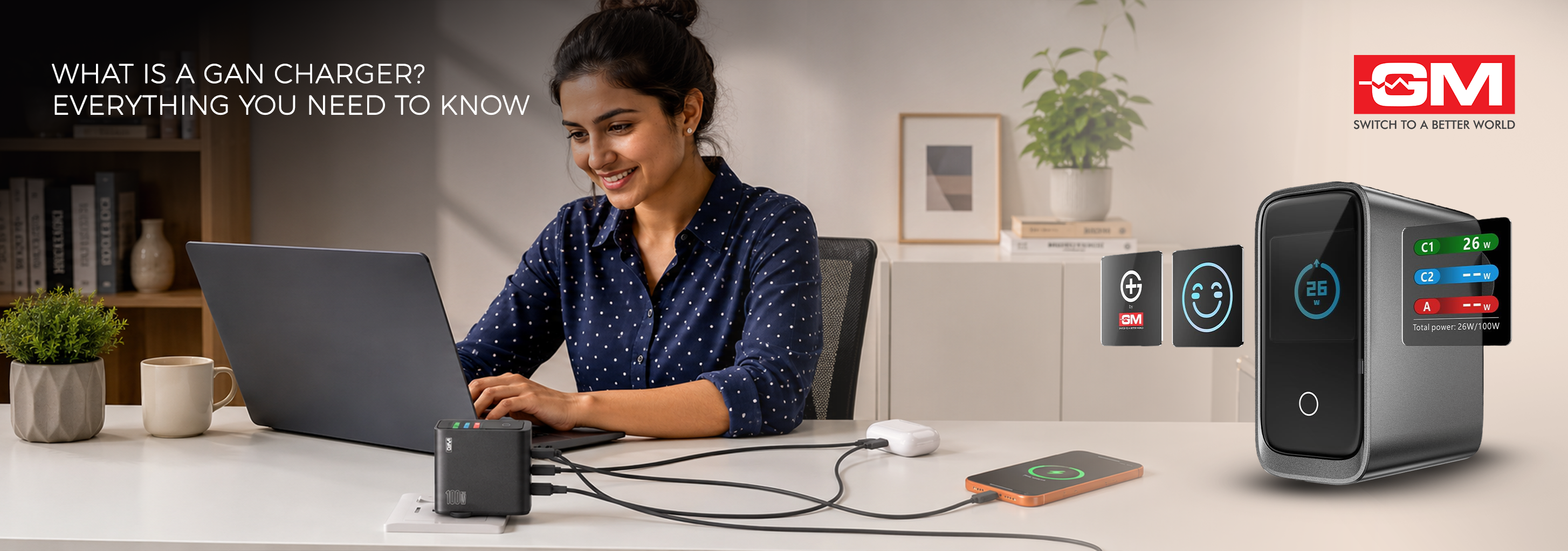
What Is a GaN Charger? A Simple Guide
What Is a GaN Charger? Everything You Need to Know You have probably used gallium nitride for years without knowing it. Before it reached the charger on your wall, this material lit up the first white LEDs, powered blue lasers, and read the discs in
Read More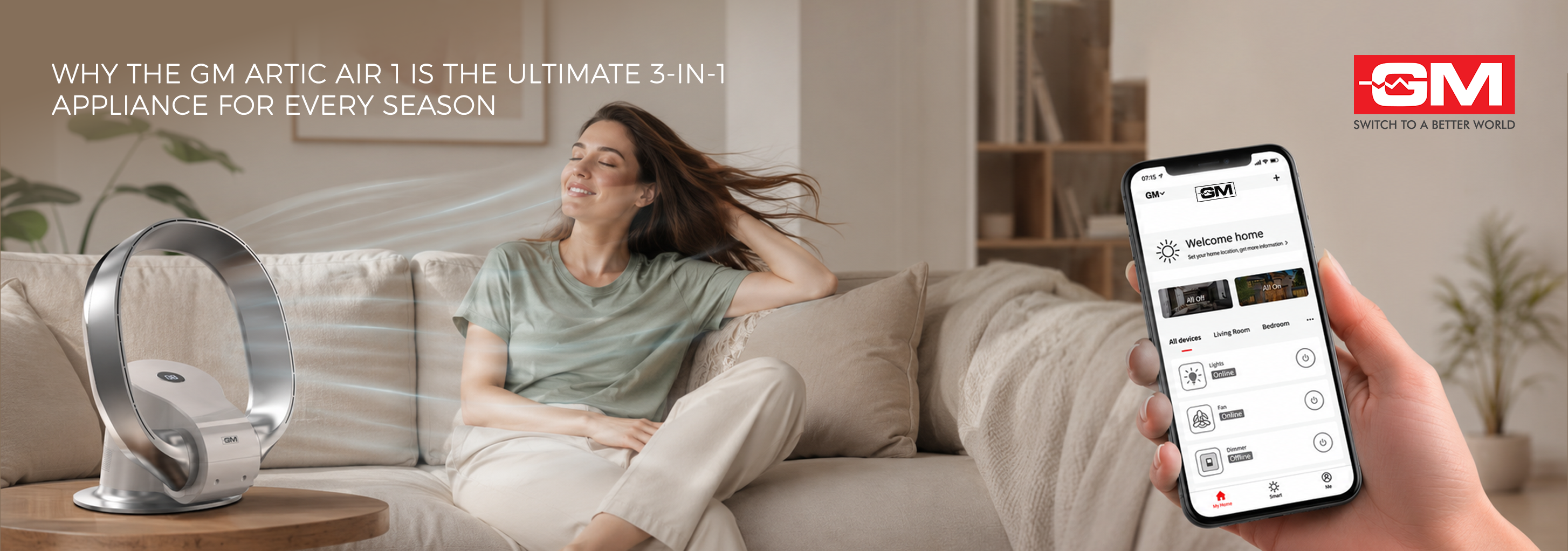
GM Artic Air 1: 3-in-1 Bladeless Tower Fan
Why the GM Artic Air 1 Is the Ultimate 3-in-1 Appliance for Every Season Picture one slim tower in the corner of your living room. In May, it cools you through a brutal afternoon. In August, it clears the damp, stale air the monsoon leaves beh
Read More
Wireless Charging vs Wired Charging: Which Is Faster?
Wireless Charging vs Wired Charging: Which Is Faster? If your phone is at 10% and you have twenty minutes before heading out, which charger should you grab: the cable or the pad? Wireless charging is everywhere now, yet most of us still reach for a
Read More