Blog
Water Heater Buying Guide: Everything You Need to Know Before Buying
Updated on Aug 2025
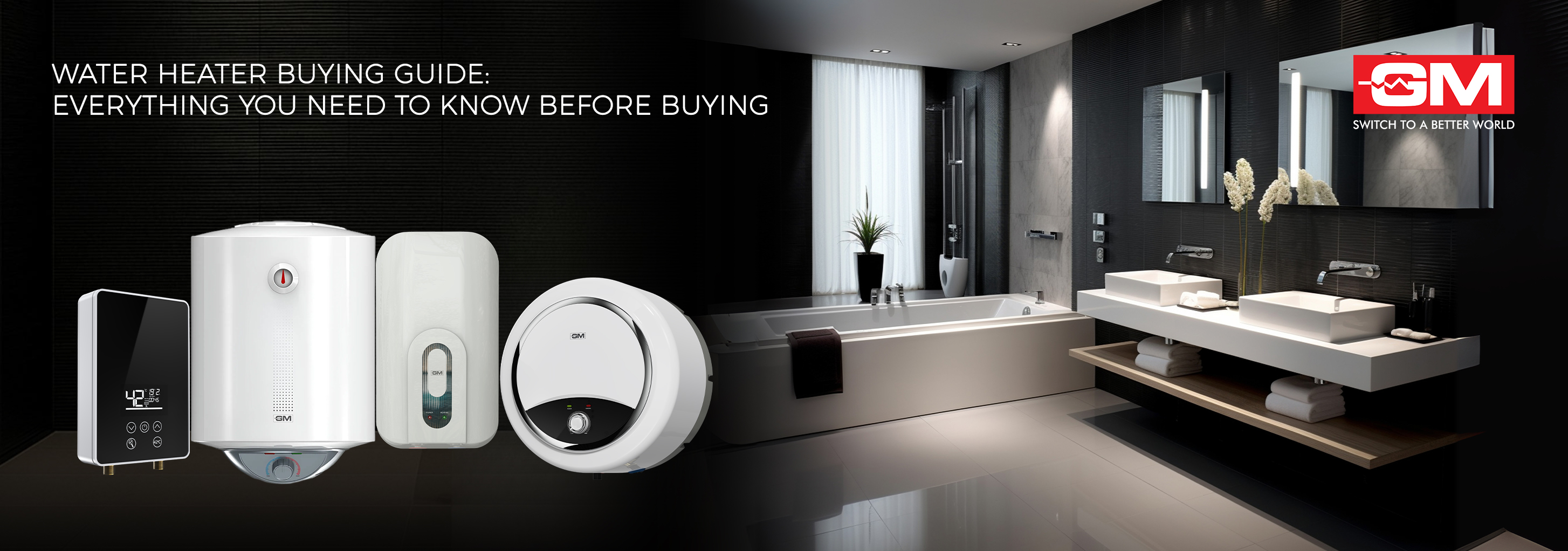
Choosing the right water heater isn't just about heating water; it's about matching your family's needs, saving energy, and enhancing your bathroom's style. With so many models and features to consider, it's easy to feel overwhelmed. This buying guide breaks it all down for you, covering types, capacities, energy ratings, installation needs, and more. Let's begin with the different types of water heaters available.
1. Understand the Types of Water Heaters Available Also write about tankless water heaters
Before deciding on which one to buy, it’s important to know that not all water heaters are built the same. Thus, the first step in this buying guide for water heater selection is understanding the type that suits your needs best. Here is a list of different types of water heaters available.
Instant water heaters
Instant water heaters are compact and heat water as it flows through the unit. They don’t have a storage tank and are ideal for quick tasks like washing hands, face, or for use in kitchens. Since they start heating immediately, they’re time-saving and energy-efficient for small usage.
Storage Water Heaters
These come with tanks ranging from 6 to 35 litres or more and store hot water for later use. They are suitable for bathing, especially in households with more than one member. Though they take more time to heat, they offer a steady supply of hot water.
Gas Water Heaters
Gas water heaters run on LPG or natural gas and are quite effective in areas with power outages. They are faster but require proper ventilation. They're becoming less common in urban homes due to safety concerns.
Make an informed choice with our detailed guide on electric geyser vs gas geyser.
Solar Water Heaters
If sustainability is a priority, solar water heaters are an excellent long-term investment. While their installation cost is high, they can drastically cut down your electricity bills.
Heat Pump Water Heaters
These are advanced systems that pull heat from the air and transfer it to the water. Highly energy-efficient, these are ideal for larger homes or eco-conscious users, though the initial cost can be quite steep.
Tankless Water Heaters
Tankless water heaters heat water instantly as you turn on the tap, without storing it in any tank. They take up very little space and provide unlimited hot water, making them perfect for families who use a lot of hot water daily. Though they cost more initially, they save electricity bills in the long run since they only heat water when you actually need it.
Get a detailed guide on the different types of water heaters for your home.
2. Choose the Right Capacity
Choose a water heater capacity based on your household size and needs: 6–10 litres for 1–2 people, 15–25 litres for 3–4 people, and 25+ litres for larger families or homes with bathtubs. A 1–3 litre instant heater is ideal for kitchen use. The right size ensures comfort while saving energy and reducing electricity bills.
3. Consider the Power Consumption
Energy efficiency is crucial when choosing a water heater because it impacts your electricity bills, especially during winter. Look for models with a high BEE star rating for greater savings. Keep wattage in mind, as higher wattage heats water faster but can increase power usage. Also, select heaters with good insulation to keep the heat longer. Investing in an efficient model pays off in the long run.
4. Installation Requirements and Placement
Proper water heater placement is key for safety and performance. Use vertical models for high ceilings and horizontal for low or small spaces. Ensure a strong wall and good ventilation, especially for gas heaters. Keep the heater near the outlet to minimise heat loss and boost efficiency.
5. Water Quality Considerations
Hard water can lead to scaling and damage your water heater over time. To protect your investment, opt for models with glass-lined tanks or ceramic-coated elements and consider installing a water softener. Regular descaling at least once a year is essential to maintain optimal performance and extend the heater’s lifespan.
6. Safety Features to Look For
Investing a little more in a water heater with safety features ensures peace of mind, especially for homes with children or elderly members. Important features to consider are thermal cut-out, pressure release valves, anti-corrosive materials, and child locks in digital models.
7. Digital or Manual Controls?
Water heaters are available for every budget, ranging from manual models with simple knobs to digital units featuring touch controls, timers, and even Wi-Fi connectivity. While smart features are not essential, they provide added convenience for connected homes.
8. Brand and Warranty Support
Select a water heater from a reputable brand that offers reliable after-sales service and a warranty of 4 to 7 years. Make sure service centres and spare parts are easily accessible to ensure hassle-free maintenance and dependable performance.
9. Budget: What Should You Spend?
Water heaters in India range from ₹2,000 to ₹25,000 or more. Avoid simply buying the cheapest option. Instead, choose a quality model with durable tanks, energy efficiency, safety features, and a reliable brand. A good water heater is a smart investment that can last 7 to 10 years.
Choosing Smart Starts With Smart Understanding
Buying a water heater isn’t just about finding the cheapest option; it’s about matching your home’s needs and key features like capacity, energy ratings, safety, and durability. Use this guide to choose wisely and enjoy warm, worry-free showers in any space.
Facing issues with your water heater? Check out the common water heater problems and how to fix them.
Frequently Asked Questions:
1. What is the ideal water heater capacity for a family of four?
A 15–25 litre storage water heater is generally sufficient for a family of four.
2. Is a solar water heater better than an electric one?
Yes, solar water heaters offer long-term savings and are eco-friendly, but they require ample sunlight and space for panels.
3. Does a higher wattage water heater consume more power?
Higher wattage heats water faster, but it doesn’t always mean higher overall consumption; usage habits and insulation play a key role.
4. How long does a water heater usually last?
With proper maintenance, a good quality water heater typically lasts 7–10 years.
Related Blogs
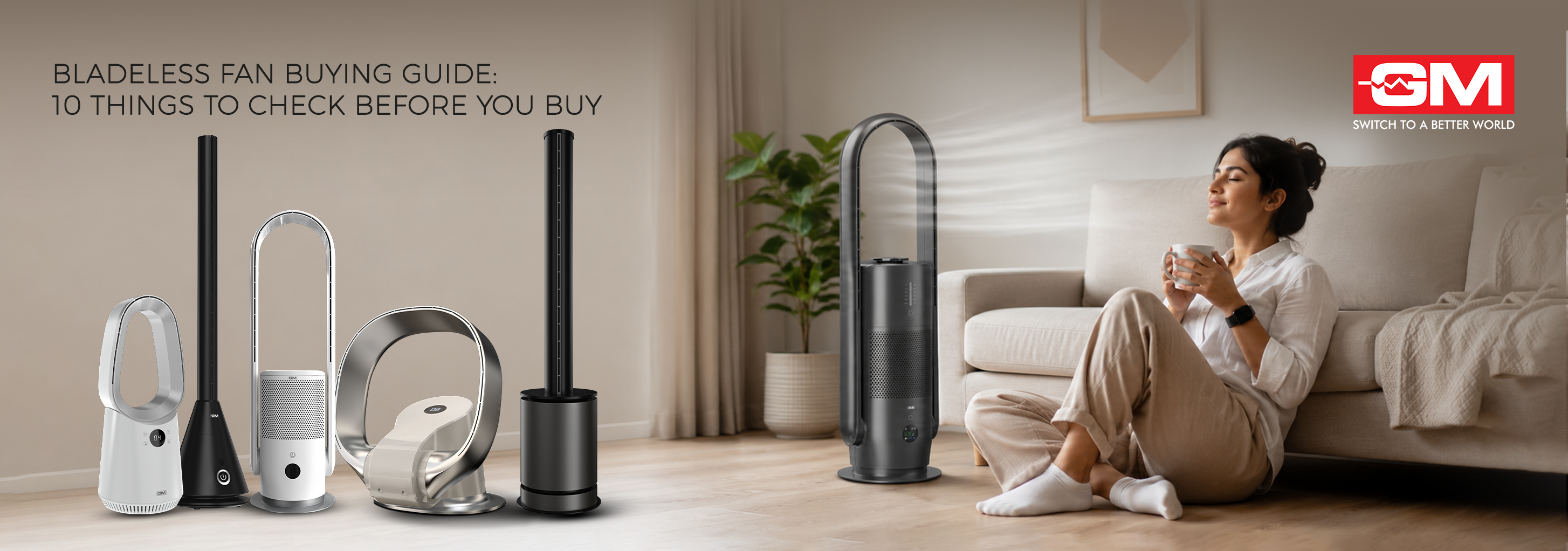
Bladeless Fan Buying Guide: 10 Checks | GM Modular
Bladeless Fan Buying Guide: 10 Things to Check Before You Buy A bladeless fan looks like the obvious upgrade. No spinning blades, a slim tower, a quiet hum, and a price that hints it must be the better choice. But the word “bladeless” on
Read More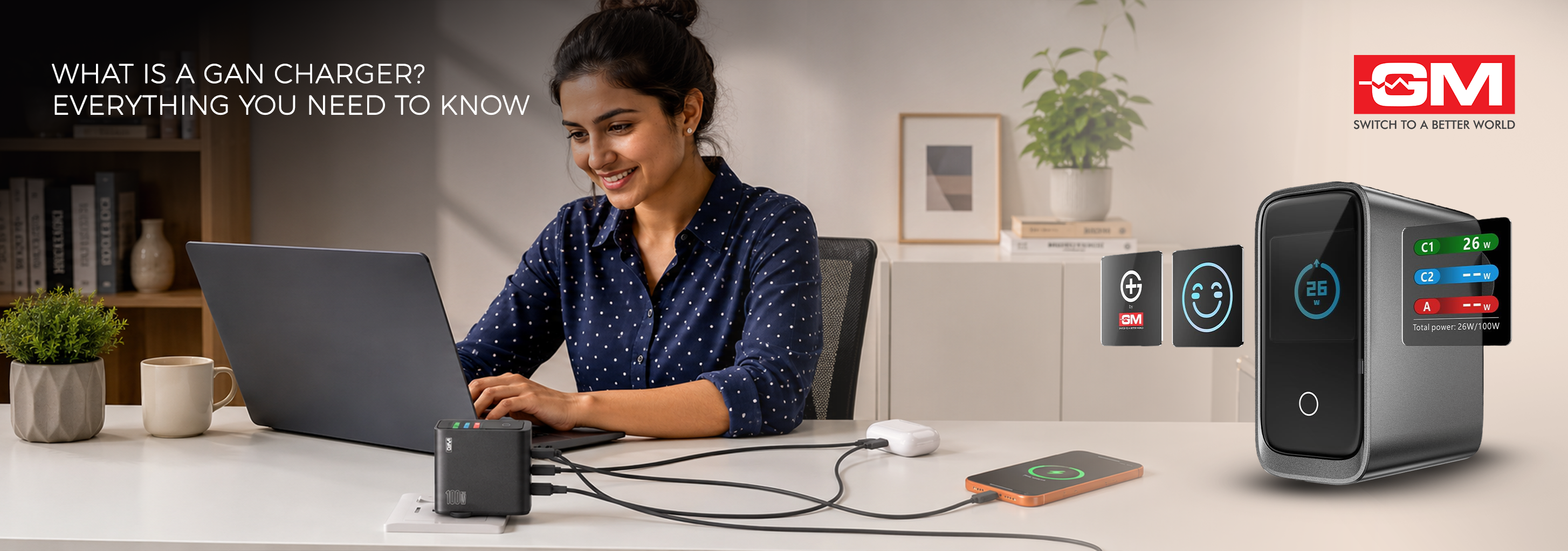
What Is a GaN Charger? A Simple Guide
What Is a GaN Charger? Everything You Need to Know You have probably used gallium nitride for years without knowing it. Before it reached the charger on your wall, this material lit up the first white LEDs, powered blue lasers, and read the discs in
Read More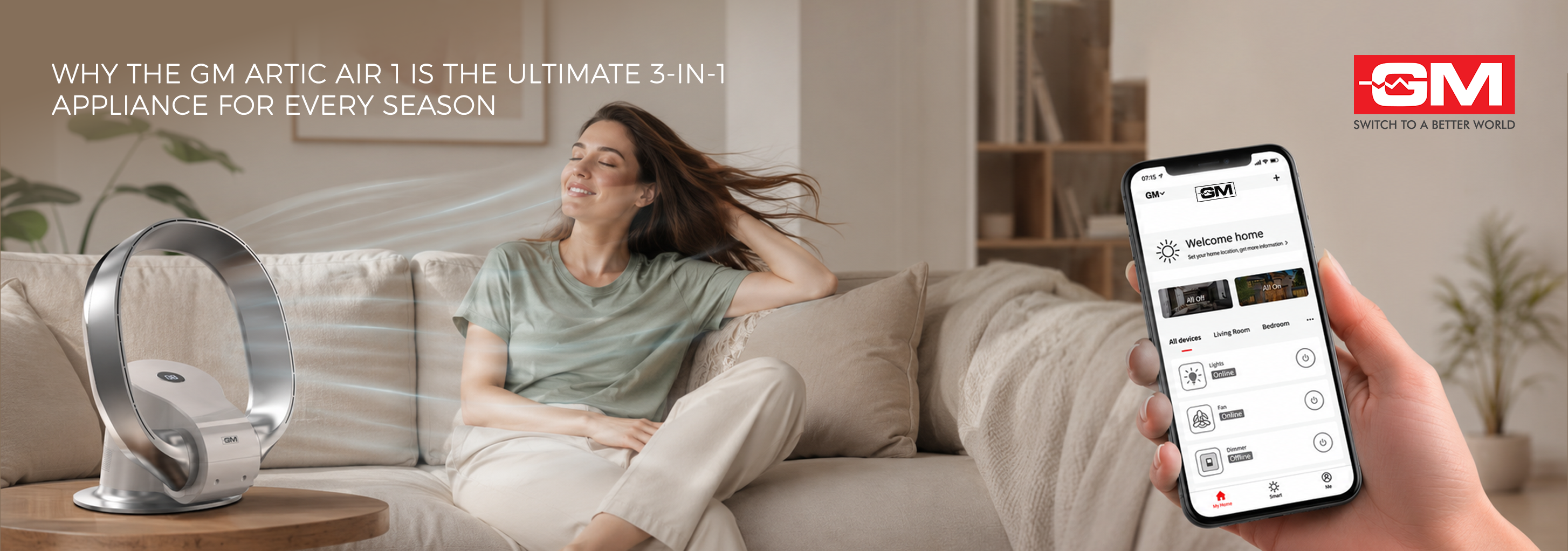
GM Artic Air 1: 3-in-1 Bladeless Tower Fan
Why the GM Artic Air 1 Is the Ultimate 3-in-1 Appliance for Every Season Picture one slim tower in the corner of your living room. In May, it cools you through a brutal afternoon. In August, it clears the damp, stale air the monsoon leaves beh
Read More
Wireless Charging vs Wired Charging: Which Is Faster?
Wireless Charging vs Wired Charging: Which Is Faster? If your phone is at 10% and you have twenty minutes before heading out, which charger should you grab: the cable or the pad? Wireless charging is everywhere now, yet most of us still reach for a
Read More