Blog
Top 10 Factors to Consider When Buying Wiring Devices in 2026
Updated on Apr 2025
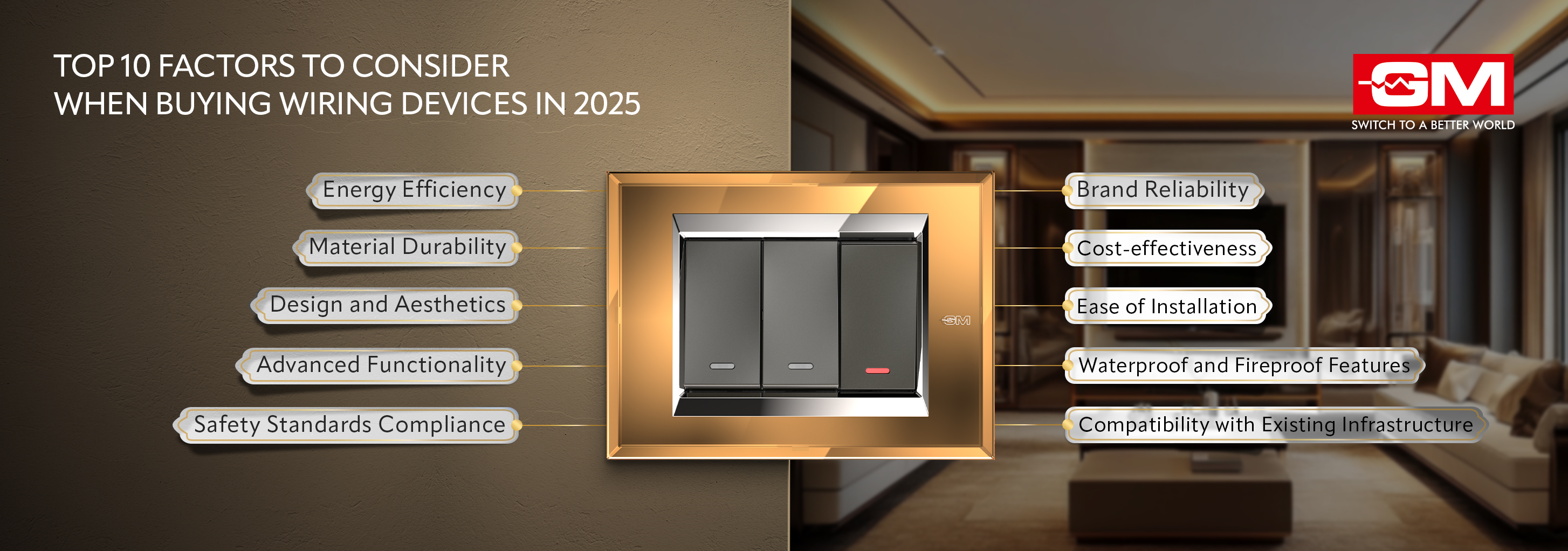
In the rapidly evolving landscape of home automation and electrical systems, selecting the right wiring devices has become more crucial than ever. In 2026, the complexity of home networks, the demand for energy efficiency, and the integration of smart home technologies significantly influence the criteria for choosing wiring devices. Here’s a GM Modular guide to the top 10 factors you should consider to ensure safety, efficiency, and compatibility with your home’s electrical infrastructure.
1. Safety Standards Compliance
Safety is paramount when selecting wiring devices. Look for products that adhere to the latest safety standards and are certified by recognised bodies like UL, CE, or ISI. These devices ensure protection against electrical hazards, offering peace of mind through enhanced circuit protection and fire-resistant materials.
2. Energy Efficiency
With the growing emphasis on sustainability, choose wiring devices that promote energy conservation. Devices with energy-saving features not only reduce your carbon footprint but also lower electricity bills. Look for products labeled with Energy Star certification as they meet stringent energy efficiency guidelines set by governmental agencies. Energy-saving devices are a must if you vouch for sustainability.
3. Material Durability
The durability of wiring devices is influenced by the quality of materials used in their construction. Devices made from high-grade thermoplastics or polycarbonate are known for their longevity and resistance to wear and tear. Investing in durable wiring devices means fewer replacements and repairs down the line.
4. Advanced Functionality
As technology advances, the functionality of wiring devices has expanded beyond basic electrical tasks. In 2026, expect devices equipped with smart features like programmable operation, energy usage monitoring, and compatibility with home automation systems. These features enhance convenience and allow for better management of your home’s electrical devices.
5. Design and Aesthetics
The design of wiring devices should blend seamlessly with your home décor. Modern wiring devices come in a variety of styles, colours, and finishes that complement any interior design. Whether you prefer a minimalist look or something more traditional, there’s a wide range of options to suit your aesthetic preferences.
6. Compatibility with Existing Infrastructure
Ensure the wiring devices you choose are compatible with your home’s existing electrical system. This includes checking voltage ratings and connectivity options to prevent issues such as electrical mismatches or installation difficulties.
7. Ease of Installation
Look for wiring devices that are easy to install, which can save both time and installation costs. Many modern devices are designed for quick setup with snap-on features or modular designs that simplify the integration process into existing electrical systems.
8. Waterproof and Fireproof Features
For areas prone to moisture or where fire safety is a concern, opt for wiring devices that are waterproof and fireproof. These devices offer added protection in environments like kitchens, bathrooms, and outdoor areas, safeguarding against potential water damage and fire hazards.
9. Brand Reliability
Choosing a reputable brand can make a significant difference in the quality and reliability of wiring devices. Established brands often offer better customer support, warranties, and assurance of quality. They are more likely to adhere to high manufacturing standards and provide devices that consistently perform well.
10. Cost-Effectiveness
While it’s important not to compromise on quality and safety, consider the cost-effectiveness of the wiring devices you select. Compare different brands and models to find a balance between price and the features you need. Remember, investing in higher-quality devices can lead to savings in maintenance and energy costs over time.
Choosing the right electrical wiring devices in 2026 involves considering a blend of safety, functionality, and aesthetic preferences. By keeping these top 10 factors in mind, you can select devices that not only meet your current needs but are also adaptable to future advancements in home technology.
Related Blogs
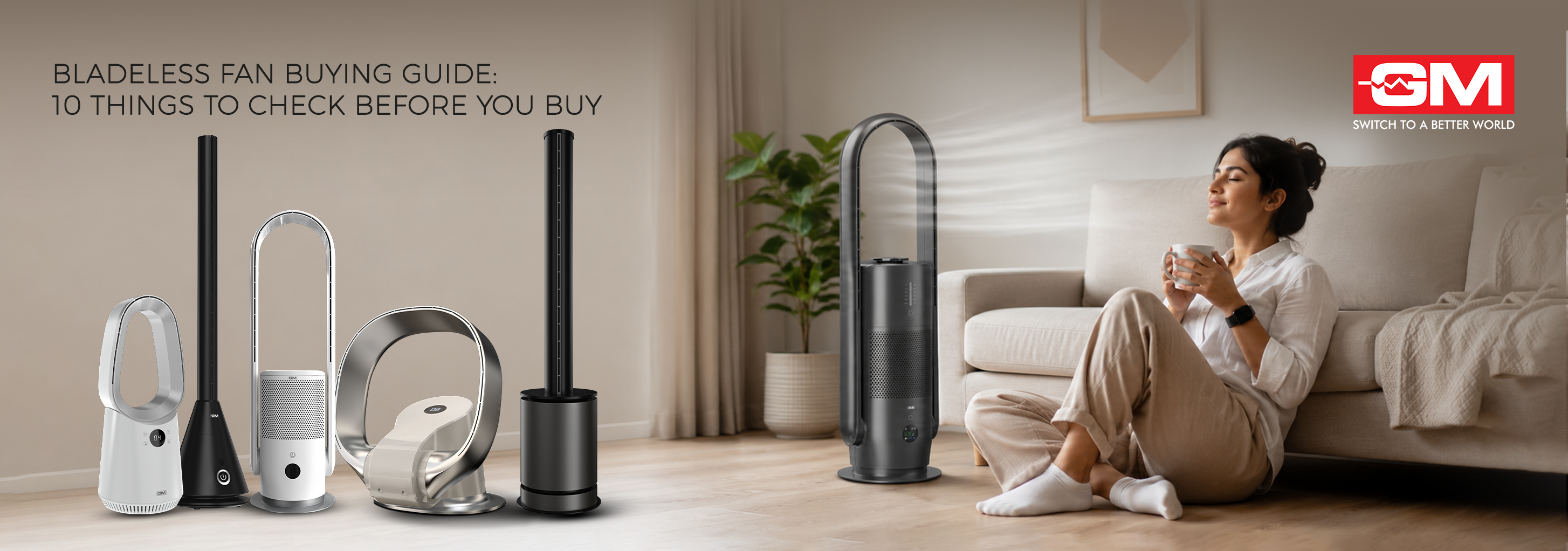
Bladeless Fan Buying Guide: 10 Checks | GM Modular
Bladeless Fan Buying Guide: 10 Things to Check Before You Buy A bladeless fan looks like the obvious upgrade. No spinning blades, a slim tower, a quiet hum, and a price that hints it must be the better choice. But the word “bladeless” on
Read More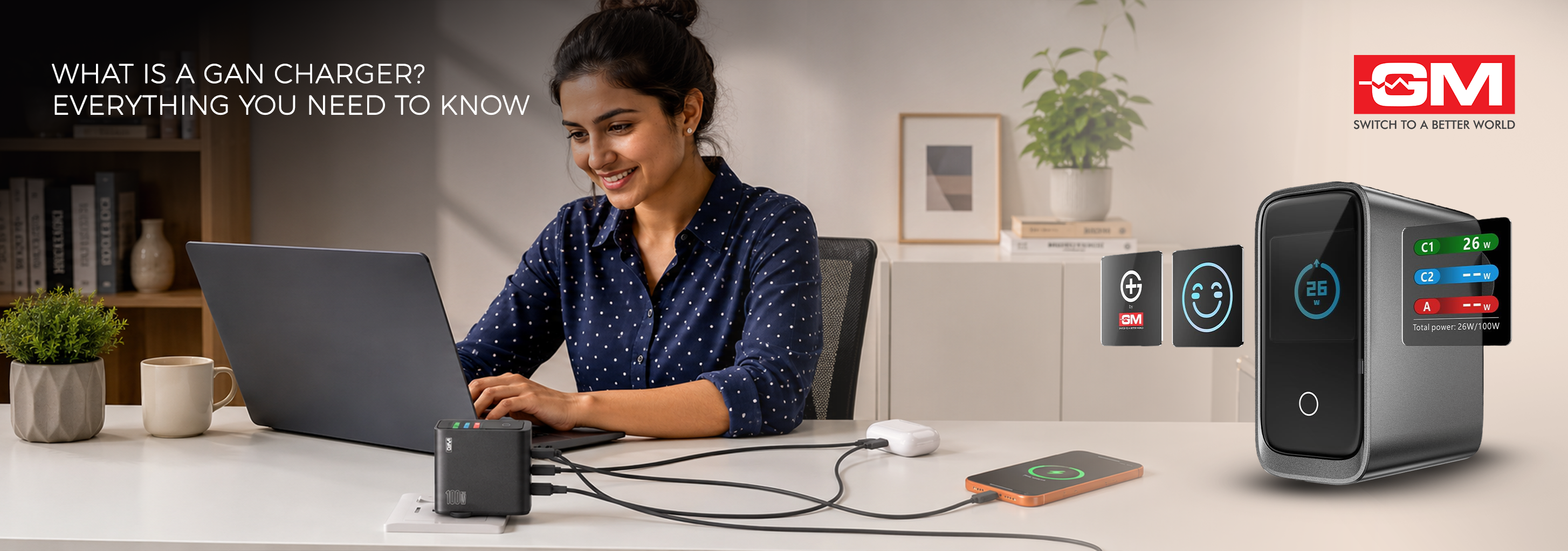
What Is a GaN Charger? A Simple Guide
What Is a GaN Charger? Everything You Need to Know You have probably used gallium nitride for years without knowing it. Before it reached the charger on your wall, this material lit up the first white LEDs, powered blue lasers, and read the discs in
Read More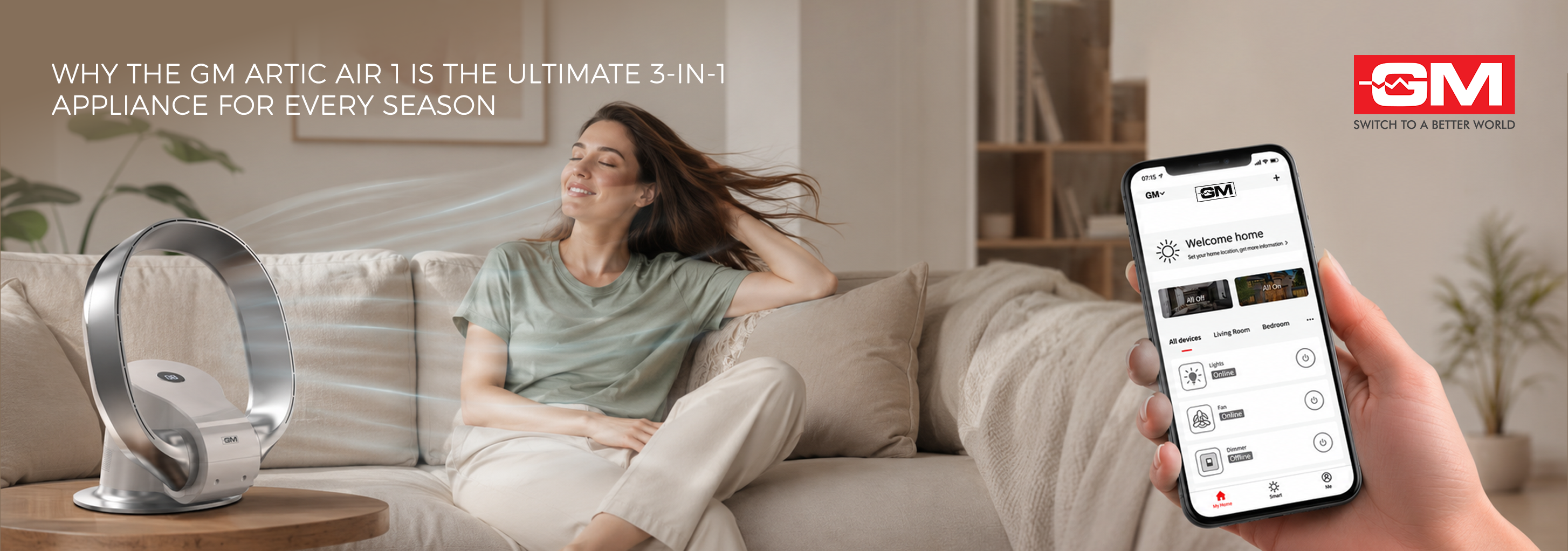
GM Artic Air 1: 3-in-1 Bladeless Tower Fan
Why the GM Artic Air 1 Is the Ultimate 3-in-1 Appliance for Every Season Picture one slim tower in the corner of your living room. In May, it cools you through a brutal afternoon. In August, it clears the damp, stale air the monsoon leaves beh
Read More
Wireless Charging vs Wired Charging: Which Is Faster?
Wireless Charging vs Wired Charging: Which Is Faster? If your phone is at 10% and you have twenty minutes before heading out, which charger should you grab: the cable or the pad? Wireless charging is everywhere now, yet most of us still reach for a
Read More