Blog
Tips to Hide and Organise Electrical Cables in Your Home
Updated on May 2025
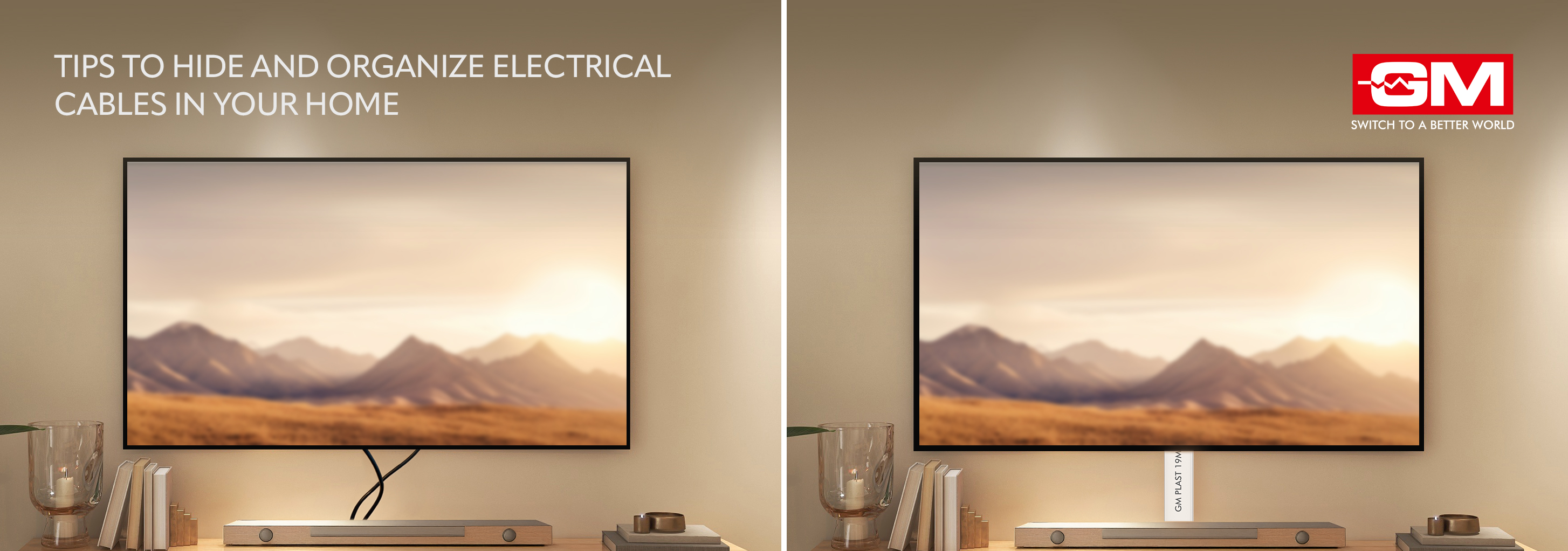
In today’s tech-savvy modern homes, nothing spoils the appeal of a stylish living room than the presence of tangled and visible electrical cables. Unmanaged cables can make even the most appealing space look messy, whether it’s your home office, living room, or entertainment zone. However, with the proper techniques and products, you can keep your cables out of sight, neat, and hazard-free.
In this blog, we’ll provide expert-approved, creative tips on hiding cables in walls. We will also explain how to cover, conceal, and organise your home’s wiring without compromising safety or aesthetics. Before organising your cables, ensure you're using quality wiring for safety and longevity. Check out our guide on Tips to Select Quality Wires & Cables for your Home.
How to Hide Cables in the Wall?
While upgrading your home's interiors or planning a new electrical installation, the best way to keep wires out of sight is to hide them behind the walls. Use concealed conduits or metal pipes installed within the walls to house electrical wires and cables. This is a standard practice in modern home construction and one of the most effective ways to safely conceal electrical cables. However, in some cases, installing metal pipes inside the walls may not be feasible. In such situations, you’ll need to cut channels into the drywall, lay the cables, and patch it back up. This method permanently hides cables that would otherwise be exposed around your home.
How to Hide Cables on the Wall Without Cutting?
There are several clever ways to cover up wires externally without compromising the aesthetics of the wall. Use cord covers or ducting that encase wires and cables alongside the wall. They are easy to install, provided you determine the correct length of the wires. They come in various sizes and are an ideal choice to organise cables in home offices or living rooms. Besides, they are also available in decorative cord covers that complement your home decor.
How to Cover Cables on the Wall Creatively?
A little creativity is all you need to blend your cables into the room's design. Use a wall paint that makes the visible wires blend with the background. This approach to hide wires on the wall is a simple solution with minimal effort. Alternatively, you can strategically place furniture, such as bookshelves or media consoles, and tuck clusters of cables behind them.
How to Cover Cables on the Floor?
Leaving extra electrical cables on the floor can cause safety issues if someone trips over them. Use cable protectors that have a thick plastic sheet to cover the wires adequately and protect individuals from potential mishaps. Alternatively, you can use cable raceways running alongside the corners of the floor to protect the electrical wires.
How to Hide Electrical Cables Behind Desks and TVs?
Learning how to organise cables and wires in tight spaces, such as TV units and other appliances, is crucial, as mismanagement of wires can lead to clutter. Consider exploring cable management boxes that conceal the excess wire length. They are ideal if you have large TV units or a gaming setup in your home. Besides, use cable clips and hooks to attach them to the backside or underside of the TV unit furniture to keep wires out of your sight.
Tech-Savvy Solutions to Organise Cables
As technology evolves, more homeowners are shifting toward smart and innovative solutions to reduce clutter and enhance their living experience. Use wireless charging pads for phones and tablets to eliminate the need for visible cords. When exploring ways to hide cables, consider smart plugs that work with voice assistants. You can also opt for innovative switch solutions that integrate power and connectivity into a clean, modular design.
Why Should You Hide and Organise Electrical Cables?
Since you know the different methods of hiding cables in walls, understand the importance of investing the necessary effort.
-
Increases safety: Loose or mismanaged cables can cause tripping hazards, posing a danger to individuals walking through the area.
-
Elevates aesthetic appeal: Tucking the wires neatly in cable covers makes the living room more attractive and appealing.
-
Provides ease of cleaning: Tidy, well-organised cables make cleaning quicker and more effective.
-
Protects devices from potential damage: Properly organised wiring prevents tangles and wear, extending the life of your gadgets.
Knowing how to hide cables in the wall and organise wires effectively can elevate your home’s safety and style. From permanent in-wall installations to temporary surface solutions, there’s a method for every home and every budget. At GM Modular, we believe in smart living, and all our products have a touch of innovation and brilliance that make it easier than ever to keep your home clutter-free and aesthetically pleasing.
Also, read our blog on Types of Wires & Cables for Every Household Needs to understand what cables you're working with before hiding them.
Frequently Asked Questions
1. How can I hide wires in the wall without damaging them?
Use surface-mounted covers or decorative cable sleeves to hide electrical wires in the wall without damaging them.
2. How do interior designers hide cords?
Interior designers use conduit covers and designated electrical cords management products to hide the exposed electrical cords.
3. Is it safe to hide electrical cables behind furniture or TV units?
It’s generally safe to hide electrical cables behind furniture or TV units, as long as they are not tightly bent or tangled. This can lead to overheating or wear over time.
4. What’s the difference between hiding and covering cables on the wall?
Hiding wires in the wall involves concealing them inside the wall using conduits or metal pipes. Whereas, covering cables refers to using cord covers that conceal wires on the wall’s surface.
Related Blogs

Bladeless Fan Buying Guide: 10 Checks | GM Modular
Bladeless Fan Buying Guide: 10 Things to Check Before You Buy A bladeless fan looks like the obvious upgrade. No spinning blades, a slim tower, a quiet hum, and a price that hints it must be the better choice. But the word “bladeless” on
Read More
What Is a GaN Charger? A Simple Guide
What Is a GaN Charger? Everything You Need to Know You have probably used gallium nitride for years without knowing it. Before it reached the charger on your wall, this material lit up the first white LEDs, powered blue lasers, and read the discs in
Read More
GM Artic Air 1: 3-in-1 Bladeless Tower Fan
Why the GM Artic Air 1 Is the Ultimate 3-in-1 Appliance for Every Season Picture one slim tower in the corner of your living room. In May, it cools you through a brutal afternoon. In August, it clears the damp, stale air the monsoon leaves beh
Read More
Wireless Charging vs Wired Charging: Which Is Faster?
Wireless Charging vs Wired Charging: Which Is Faster? If your phone is at 10% and you have twenty minutes before heading out, which charger should you grab: the cable or the pad? Wireless charging is everywhere now, yet most of us still reach for a
Read More