Blog
How to Install a Water Heater: The Ultimate 7-Step Guide
Updated on Jul 2025
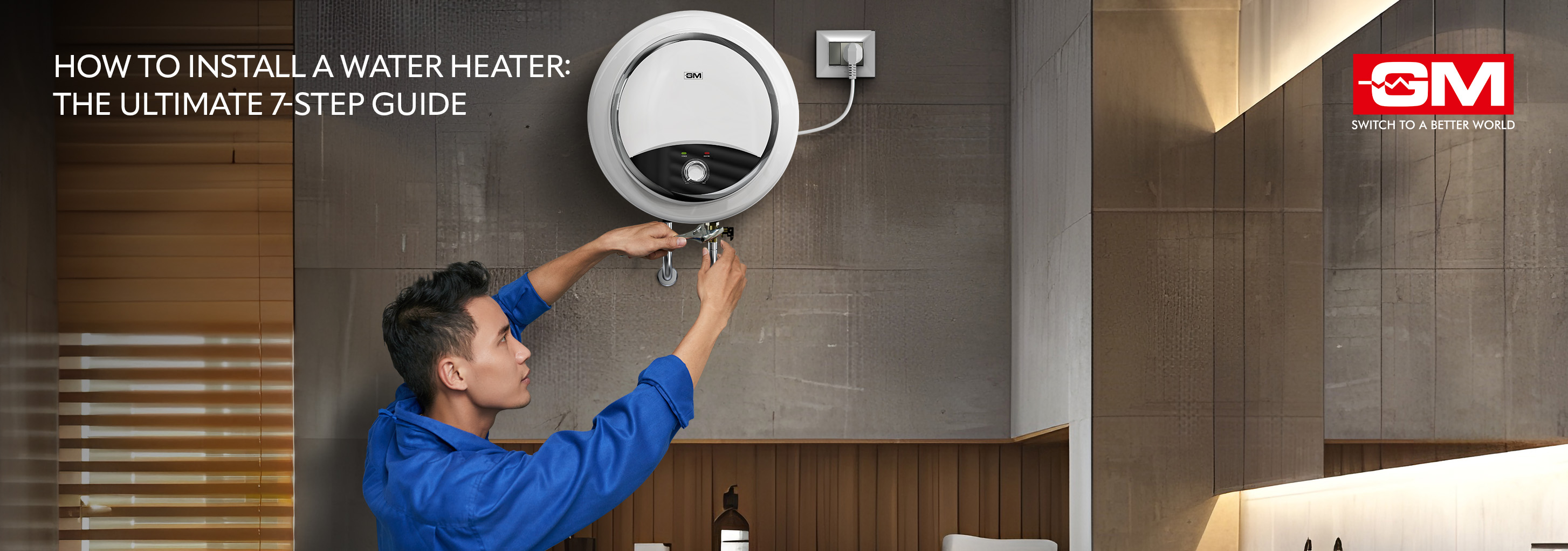
A hot water shower is more than a luxury. It's an essential comfort in many Indian homes. Whether you’re upgrading your bathroom or setting up a new home, installing a water heater is one of the first must-do tasks. But many homeowners wonder if installing a water heater is too complex or if it can be done safely and efficiently by yourself.
This easy-to-follow guide walks you through a 7-step water heater installation process to help ensure safe and proper fitting.
What You’ll Need to Install a Water Heater
Before starting the water heater installation process, make sure you have the following tools and materials ready:
-
Drill machine and masonry bits
-
Wall plugs and screws
-
Adjustable spanner
-
Teflon tape
-
Screwdriver set
-
Measuring tape and level
-
Safety gloves and goggles
-
High-quality modular switch with MCB (preferably from GM Modular)
-
Adjustable valves and fittings
-
A bucket to catch any water leaks
How to Install a Water Heater in 7 Easy Steps
Although installing a water heater may seem technical, following the right steps and safety precautions makes the process easy. Here's a simple 7-step guide to help you install your water heater:
1. Choose the Right Location
Turn off the power and water supply. Choose a wall at least 6 feet above the floor, near the water inlet and outlet, and away from direct water spray.
2. Mark and Drill Mounting Holes
Use the water heater's mounting template to mark drilling points. Drill holes, insert wall plugs, and fix the mounting bolts. For replacements, disconnect the old water heater and remove it safely.
3. Mount the water heater
Lift and align the water heater with the bracket or bolts. Secure it tightly according to the manufacturer's instructions. Having an assistant can make this step safer.
4. Connect Inlet and Outlet Pipes
Wrap Teflon tape on the threads of the water pipes to prevent leaks. Connect the cold-water pipe to the inlet valve and the hot-water pipe to the outlet valve. Tighten the connections with a spanner.
5. Connect to Electrical Supply
Use a dedicated power line with proper earthing. Connect the water heater to a modular switchboard and ensure all wiring is secure and insulated. If unsure, consult a certified technician for the electrical connection.
6. Check for Leaks
Turn on the cold-water supply and check for leaks with the power off. Inspect all pipe joints, and use a bucket to catch any water drips. If there are no leaks, proceed to the next step.
7. Power On and Test
Turn on the power supply and check the indicator lights. Let the water heater heat the water, and test the hot-water flow. If you hear unusual sounds or see leaks, turn off the power and inspect.
Once everything is working smoothly, your water heater installation is complete!
Curious about what’s inside your water heater? Check out our blog on the In-Depth Guide to Water Heater Components.
Additional Tips to Use the Water Heater Safely
Now that you have learnt the step by step process of how to install a water heater at home, let’s walk through the few crucial steps that ensure a safe usage of water heaters.
-
Switch it off after use: Avoid leaving the water heater on for long hours. It saves energy and extends the heating element's life.
-
Install a surge protector: Protect the unit from voltage fluctuations.
-
Inspect the anode rod every 2–3 years: Replace if corroded to maintain performance.
-
Drain the tank annually: Prevents sediment buildup and improves efficiency.
-
Get it serviced regularly: Annual servicing ensures longevity and safe operation.
Installing a water heater at home may seem challenging, but with the right tools and guidance, it's completely manageable. If you're unsure, especially about electrical connections, it's always best to get professional help. A properly installed water heater ensures consistent hot water and keeps your family safe.
At GM Modular, we prioritise safety and performance. Enhance your water heater installation’s safety with our modular designer switches and surge protectors.
If you are facing any water heater issues, read our guide on Common Water Heater Problems and Ways to Fix Them.
Frequently Asked Questions
How much does it cost to install a water heater?
A. Installation charges generally range from Rs. 3500 to Rs. 6500, depending on the water heater's brand and capacity.
Can we install a water heater on our own?
A. Yes, you can install a water heater yourself with the right tools and safety measures. However, it's recommended to seek professional help for proper installation and to prevent potential damage.
Is it necessary to use flame-retardant cables for water heater installation?
A. Yes, using flame-retardant cables enhances electrical safety, especially for high-power appliances like water heaters.
How long does water heater installation take?
A. water heater installation typically takes 2-3 hours, but if you're doing it yourself, it might take longer.
Can we keep a water heater always on?
A. No, keeping a water heater on continuously increases energy consumption and can reduce its lifespan.
Related Blogs

Bladeless Fan Buying Guide: 10 Checks | GM Modular
Bladeless Fan Buying Guide: 10 Things to Check Before You Buy A bladeless fan looks like the obvious upgrade. No spinning blades, a slim tower, a quiet hum, and a price that hints it must be the better choice. But the word “bladeless” on
Read More
What Is a GaN Charger? A Simple Guide
What Is a GaN Charger? Everything You Need to Know You have probably used gallium nitride for years without knowing it. Before it reached the charger on your wall, this material lit up the first white LEDs, powered blue lasers, and read the discs in
Read More
GM Artic Air 1: 3-in-1 Bladeless Tower Fan
Why the GM Artic Air 1 Is the Ultimate 3-in-1 Appliance for Every Season Picture one slim tower in the corner of your living room. In May, it cools you through a brutal afternoon. In August, it clears the damp, stale air the monsoon leaves beh
Read More
Wireless Charging vs Wired Charging: Which Is Faster?
Wireless Charging vs Wired Charging: Which Is Faster? If your phone is at 10% and you have twenty minutes before heading out, which charger should you grab: the cable or the pad? Wireless charging is everywhere now, yet most of us still reach for a
Read More